
British made dining tables in custom sizes, woods and prices
Your dining table should fit your room, not the other way round. British made dining tables from The Table Guy are made to order, with the length, width and height tailored to your space and seating needs. You can choose from solid oak, pine, reclaimed wood and sustainable bamboo, each bringing a different character to the room.
It’s natural to want a table that works for everyday meals and gatherings, without guessing whether its dimensions or timber will suit your home. Start with the room layout, how people move around it and how many diners you need to seat. The material and design will shape the finished look and the quote.
This guide explains how to plan size and seating, compare timber choices and understand what influences the price of a bespoke table. It also covers what to share when discussing a design, so the table can be shaped around your room and the way you use it.
Table of Contents
Handmade solid wood and reclaimed timber dining tables
Handmade tables bring the grain, colour and character of timber into everyday dining. The material, finish and construction all influence how a table looks and works in your room.
Handmade solid wood and oak tables
Solid wood tables are made from timber throughout, rather than having a wood-effect surface over a different core. Oak has a visible grain that gives each tabletop its own pattern. Compare its grain, colour and finish with your flooring and other furniture. A handmade oak table makes those natural features part of the room’s character.
Sustainable and FSC-certified options
Reclaimed timber gives previously used wood another purpose, with marks and colour variations that contribute to its distinctive appearance. FSC certification relates to timber sourcing, not where a table is made. These are separate considerations: British manufacture describes where the table is produced, while certification concerns the wood supply. Look for clear information about both.
Delivery, assembly and returns policies vary between UK dining table retailers. Check the stated arrangements before ordering, especially for a large handmade table. Measure doorways, hallways and the intended room to make sure the table can reach its destination.
Warranty cover also varies by retailer and table. Care depends on the wood and finish: follow the maker’s care guidance, wipe spills promptly and protect the surface from hot dishes. These habits help limit everyday marks on oak and other timber tops.
Reclaimed wood can show old nail holes, colour changes and other signs of previous use. Those features are part of the material’s history, not a uniform finish. Solid timber also varies naturally, so grain and tone may differ across the top. Before choosing, decide whether you prefer that individual character or a more consistent appearance.
Wood and hardwood choices
Timber sets a table’s colour, grain and overall character. Oak, bamboo, pine and other hardwoods each create a different look, so compare the material with your flooring, chairs and existing furniture. A pale top can keep a small dining space feeling light, while deeper tones create contrast against lighter surroundings.
Hardwood varies in grain and colour, even within the same species. Oak has a distinct grain; other hardwoods may look more uniform or show stronger natural variation. Consider the whole tabletop, not just a small sample. Grain direction, joins and differences between boards all affect how the surface looks across the room.
Bamboo gives a dining table a different visual character from traditional hardwood. Consider whether its grain and colour work with your interior, then compare it with oak or another hardwood in the same lighting. Explore bamboo and hardwood table options to see how these material choices can shape a dining space.
Pine and scaffold board offer a more relaxed, rustic appearance than a refined hardwood surface. Visible knots and changes in tone can become part of the design. In a farmhouse-style room, that character can sit naturally alongside sturdy chairs and textured fabrics. Decide whether you want those marks to stand out or blend into the wider scheme.
The finish changes how timber looks and feels. A clear finish keeps attention on the wood’s natural colour, while a tinted finish can deepen or alter its tone. Sheen matters too: a reflective surface catches light, while a lower-sheen finish gives a quieter impression. Compare finish samples with your room’s daylight and lighting.
Before settling on a wood, narrow your choice to two or three examples, such as oak, bamboo and pine. Compare grain, tone and finish together rather than choosing by timber name alone. This makes it easier to choose a table that complements your room and has the character you want.
Product prices
The price of a handmade dining table depends on its timber, dimensions and design. A broad solid-oak top has a different specification from a compact pine table. The finish, base and custom details also affect the work involved. When comparing tables, look at the complete specification, not just the headline price.
Timber choice can make a noticeable difference to a quote. Oak, bamboo, pine and reclaimed wood each have distinct characteristics and sourcing considerations. Selecting boards for a particular grain effect may require different preparation from a simpler, more rustic finish. Ask for the timber and finish to be described clearly so you can compare like with like.
Size is another important cost factor. A longer or wider top needs more material, while an unusual shape can involve additional design and making work. If you want a table for an alcove or a specific dining area, share those measurements when discussing the specification. Custom sizing changes the materials and work required, which can affect the quote.
Design details matter too. A straightforward farmhouse-style table differs from one with an intricate base, distinctive edges or an extension. Each feature influences the specification and may change the making process. Decide which details are essential before requesting a quote, so the design stays focused on how you’ll use the table.
For a useful comparison, ask each quote to describe the timber, finished dimensions, surface treatment and included features. Check whether delivery or assembly arrangements are separate from the table price. A lower figure may cover a different size, wood or finish. Compare the full specification with your room and requirements before choosing.
Keep your preferred design and measurements together when discussing a bespoke table. Note whether you’re considering oak or pine, which finish you prefer and whether an extension matters. These details give the maker a clear brief and show how each choice shapes the final price. Compare tables built to the same requirements.
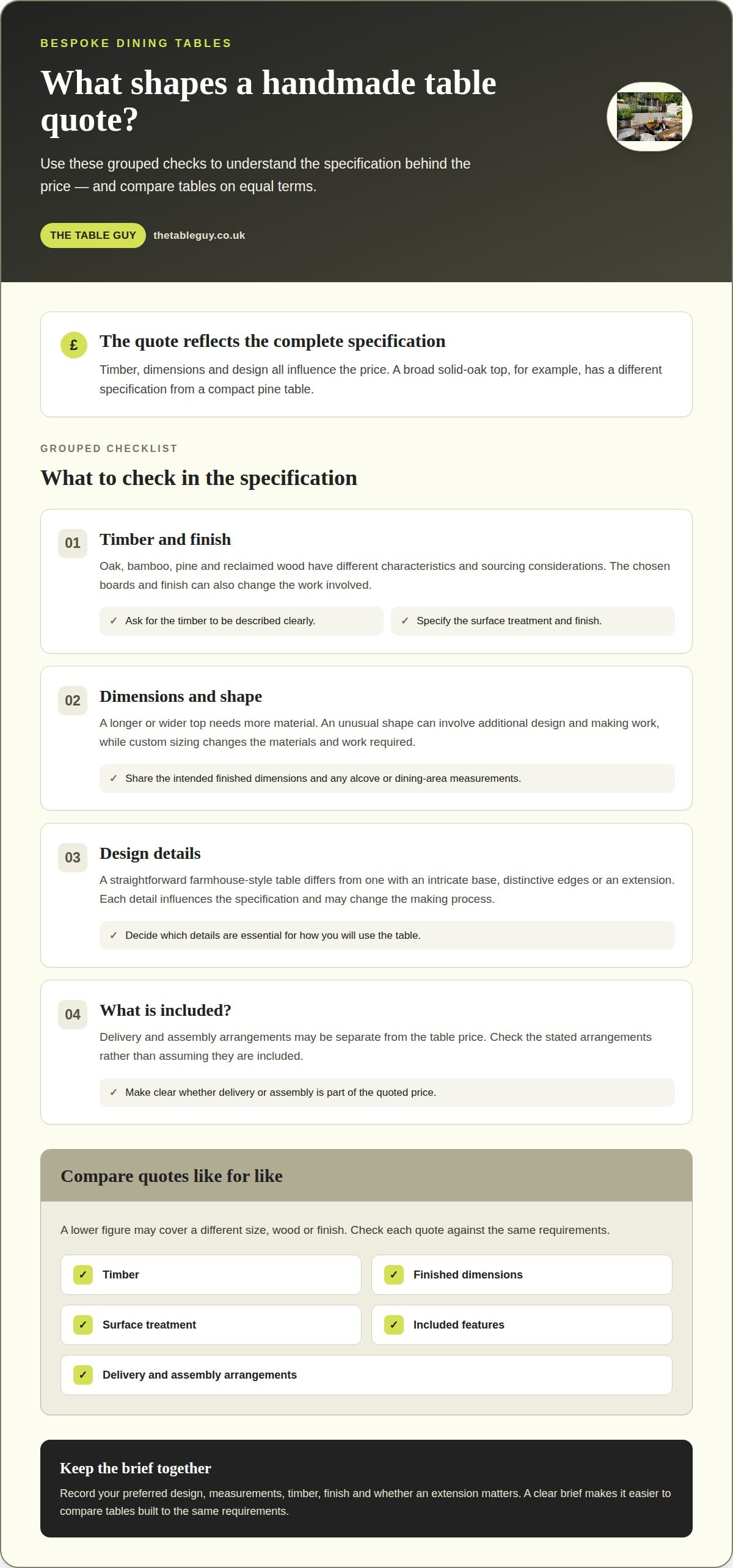
Table sizes and seating capacity
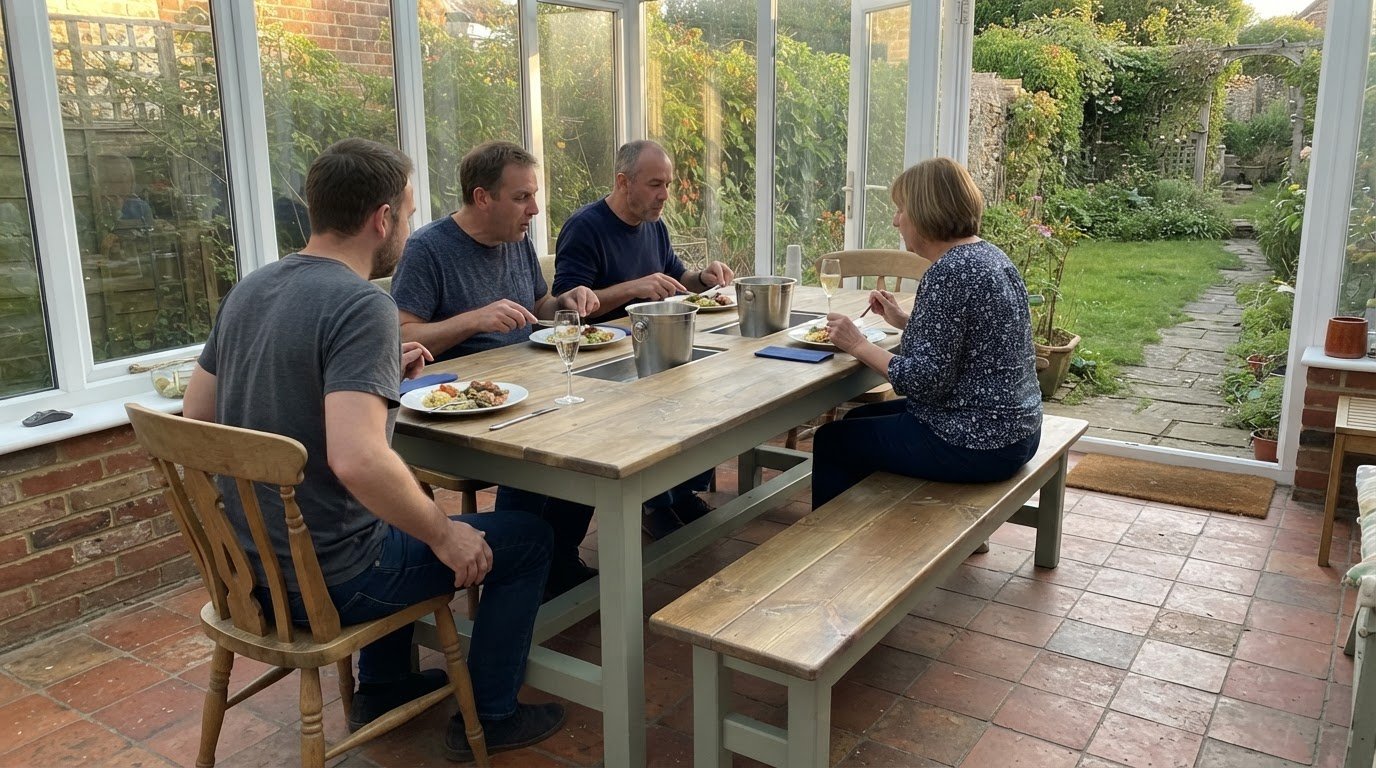
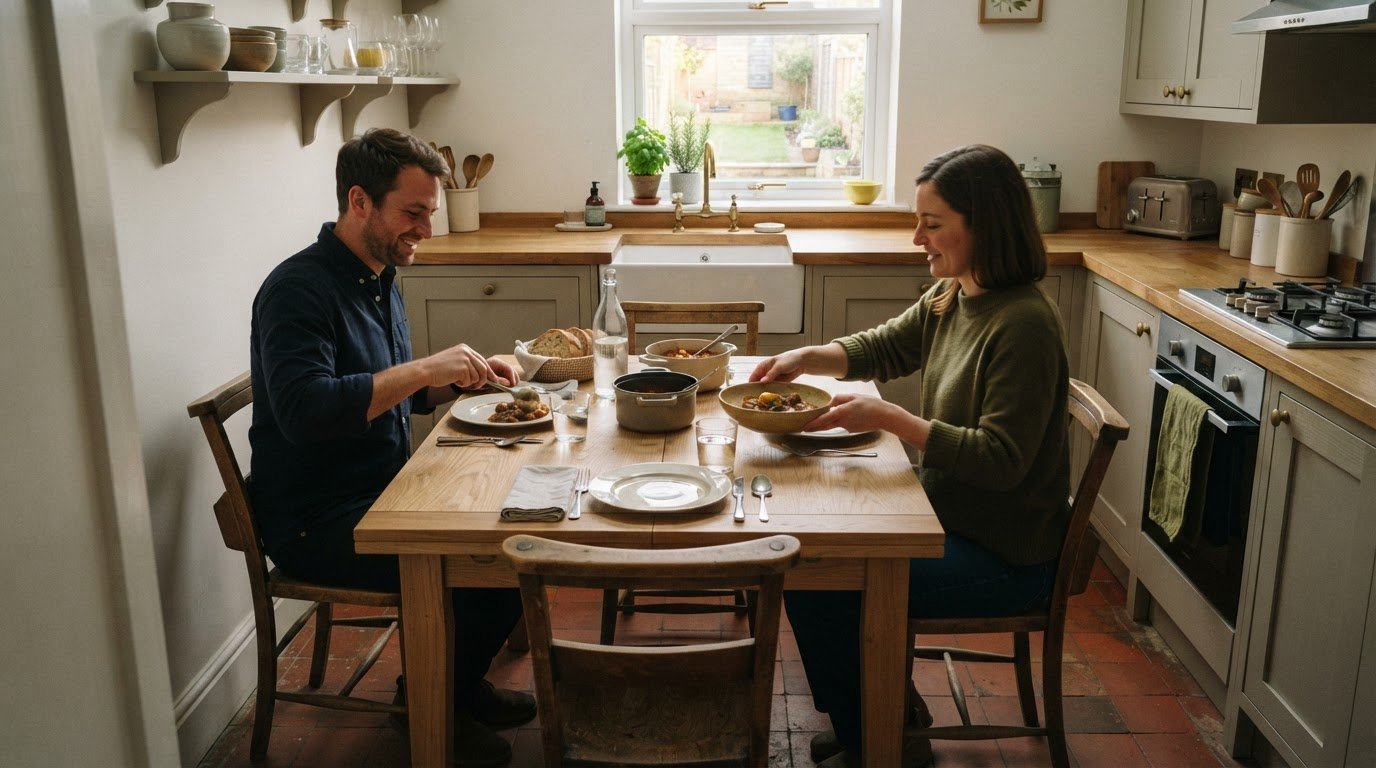
Choose a table size by balancing seating needs with the room’s usable floor space. Measure the dining area, then account for chairs and clear routes around the table. A table that seats everyone comfortably should still let people move between it and nearby furniture without squeezing past.
Start by considering who uses the table each day. A couple who occasionally hosts guests may prefer a compact everyday footprint with room to extend for gatherings. A household that regularly eats together needs comfortable seating for its usual group. Match the table’s length and width to that pattern.
Shape affects how a table fits. A rectangular design can work well in a narrow room, while a round table may suit a more open dining area. Consider doorways, cupboards and walkways too. Measure the intended position and mark the tabletop outline on the floor, then check how chairs would fit around it.
Seating capacity depends on more than the table’s overall length. Chair width, table legs and the position of supports can affect where people sit. A central pedestal may provide different legroom from corner legs. Consider whether diners need room for serving dishes, laptops or children’s place settings.
An extension can provide extra table space for occasional guests without committing to a larger everyday footprint. Consider where the extended table would sit and whether chairs can still be pulled out comfortably. Include both the everyday and extended dimensions when planning the room, rather than judging capacity from the closed position alone.
Share the room measurements, usual seating needs and preferred shape when discussing a made-to-order size. These details help translate the space into a practical specification. Discuss a dining table sized for your room and how you plan to use it.
The Table Guy: Prosecco Dining Tables
The Table Guy makes bespoke dining tables for homes where standard designs or dimensions don’t suit the space. Prosecco Dining Tables offer one design direction, while Farmhouse Tables bring a more traditional feel. Bamboo & Hardwood Tables and Scaffold Board & Pine Tables provide different timber choices and character.
Consider these options when you know your room dimensions, seating needs and preferred look, but want help bringing them together in a made-to-order table. Sharing those details helps shape a design around how you dine and entertain. Material, size and finish can all be part of the discussion.
Contact The Table Guy to discuss a bespoke dining table shaped around your home and preferences.
Make the next choice yours
British made dining tables can bring a personal touch to the centre of your home. Turn your preferences into a clear design brief: picture the table in its room, decide which details matter most and consider how it should serve everyday life. Those choices give a bespoke piece both purpose and character.
The Table Guy makes the Exclusive Prosecco Table, Farmhouse Tables and Bamboo & Hardwood Tables, offering distinct starting points for a bespoke design. Choose a direction, then discuss how your preferred size and timber could suit your space. You don’t need to have every detail settled before starting the conversation.
Ready to explore a table that feels at home in your dining room? Contact The Table Guy about your table and take the next step towards a design shaped around you.
Frequently Asked Questions
Can I request a custom size for my dining table?
Yes, The Table Guy makes tables to a bespoke size, including the length, width and height. The finish can also be tailored at no extra cost. If your room has an awkward alcove or a low window, share those details when discussing the design. This gives the maker a clear brief for shaping the table around your space.
What materials are used in British-made dining tables?
Materials include solid oak, pine, reclaimed wood and sustainable bamboo, with metal tables also available. Each creates a different look and feel, so consider your room’s style and the table’s intended use. Reclaimed timber brings visible signs of its previous life, while bamboo and hardwood offer other natural-material options.
How much do British-made dining tables cost in the UK?
The price depends on the table’s specification, including its material, dimensions, finish and design details. A bespoke design can involve different making work from a straightforward one, so the quote reflects the table you choose. For a meaningful comparison, make sure quotes describe the same size, timber and features.
Which UK-made dining tables offer the best value for money?
The best value is a table that suits your needs and room, not simply the one with the lowest price. Consider whether its material, finish and construction suit everyday use and whether the design works with your existing furniture. A well-matched specification can make a table more useful to your household over time.
What sizes and shapes of dining table suit different rooms and household sizes?
The right choice depends on the room’s layout and how you use the table. In a narrow dining area, a rectangular shape can sit alongside a wall or walkway; an open-plan room may allow more flexibility. Consider your usual diners, occasional guests and whether the table needs to support working or serving meals.
How can I verify that a dining table is genuinely made in Britain?
Ask how the table is designed, manufactured and assembled, and whether any parts come from elsewhere. These details distinguish British manufacture from a table made overseas using British timber, or one finished in the UK after overseas production. Clear information about the making process helps you understand what British made means for your dining table.
Comments