
Furniture Maker: How to Choose a Bespoke Piece That Fits Your Home
Updated: 1 day ago
The right bespoke piece isn’t simply the one that looks best in a photograph. It’s the one that fits your room, suits the way you live and feels right for years to come. A furniture maker can shape a piece around those practical needs, but choosing dimensions, materials and a design can feel daunting if you’re not sure where to start.
The Table Guy is a family-run UK furniture maker, established in 2014, creating wooden and metal furniture to order in its workshop. A made-to-order approach can help match a piece to your space and everyday use, whether you’re considering a dining table, coffee table, sideboard, TV unit, shelving or table extension.
This guide explains what a furniture maker does and how to plan a piece with confidence. You’ll find practical questions to consider, from measuring your room and defining how the furniture will be used to comparing materials such as bamboo, hardwood, pine and scaffold boards. You’ll also learn how to assess whether a maker’s work and range suit your project, so bespoke furniture feels purposeful rather than daunting.
Table of Contents
What does a furniture maker do, and when is bespoke furniture useful?
Standard furniture can be hard to place when its dimensions leave an awkward gap, crowd a walkway or make poor use of a room. A furniture maker designs or builds pieces around practical needs and aesthetic preferences. Rather than choosing an existing design exactly as it is, you can begin with a brief describing what the piece needs to do and how it should look.
Bespoke furniture is made to a customer’s brief, with choices shaped around the piece’s intended use, dimensions and appearance. That doesn’t mean every detail has to be unusual. A made-to-order piece might follow a familiar form, with its proportions or materials selected to suit a particular home.
Neither bespoke nor ready-made furniture is automatically the better choice. Ready-made stock is convenient when its size, style and function already suit your room. Commissioning a piece can make sense when standard options don’t meet a specific requirement, or when you want its dimensions and materials to work together in one considered design.
How is a furniture maker different from a furniture retailer?
A retailer typically helps you choose from furniture designed and sold as standard stock. A furniture maker works from a brief: you describe what the piece needs to do and how it should fit, then the maker shapes the work around those priorities. Depending on the project and the maker’s range, choices may include dimensions, material, finish or intended use. Because makers don’t all work with the same materials or make the same types of furniture, look for a range that fits your project.
Which furniture projects can benefit from a made-to-order approach?
Consider an awkward corner where a standard console is too wide, or a dining area where a table needs to leave room for people to move around it. A made-to-order brief can start with these constraints, then consider the form and proportions that would work. Storage needs matter too: shelving or a sideboard may need to serve a particular spot or purpose, rather than simply fill a wall.
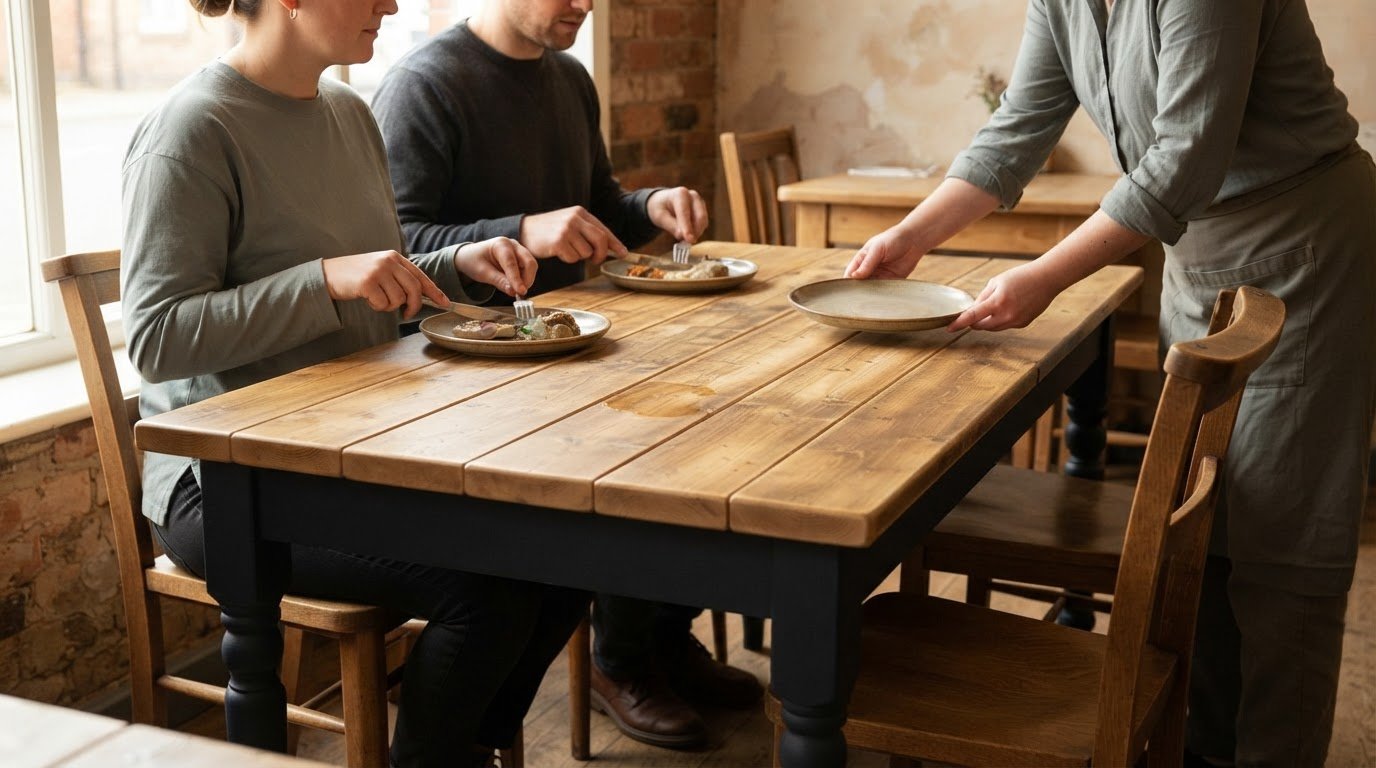
Tables are another practical example. A coffee table needs to sit comfortably alongside existing furniture, while a dining table should suit the room’s layout and how it’s used. If you sometimes need more space for guests, a table extension may be worth including in the brief. These real-life details turn a broad idea into a useful project without requiring specialist design knowledge.
The Table Guy makes furniture to order across dining, living and storage categories, including dining tables, coffee tables, shelving, sideboards, consoles, TV units and table extensions. Start by identifying the task the furniture needs to perform, then consider which piece would suit both that purpose and the room.
How does bespoke furniture making turn an idea into a usable piece?
A useful commission begins with a real need, not a sketch of a finished object. Perhaps a room has an alcove that standard furniture can’t use well, or a table needs to work around how people move through the space. A clear brief gives the maker a practical starting point and connects the piece’s appearance with its purpose, dimensions and setting.
Start a furniture brief with the job the piece needs to do, because function guides its size, form and material choices.
Use this planning framework to organise your ideas. The details and order of discussions will depend on the project:
Identify the need. Describe the room or everyday problem the furniture should address. Is the priority making better use of a narrow space, adding somewhere to display belongings, or creating a table for regular meals?
Record the brief. Note the intended use, approximate dimensions and room layout. If relevant, include how many people will use the piece regularly. Measurements of nearby furniture, walkways and doorways provide useful context.
Consider materials and appearance. Gather reference images or describe the colours, textures and overall feel you favour. Keep the practical requirements in view alongside the look you want.
Bring the requirements together. Separate what the piece must do from details that could be refined. This gives you and the maker a shared basis for considering how the idea can become a usable piece.
Some choices may change as the brief takes shape. Be clear about what must work, while staying open to refining the details. The order and depth of planning will vary with the furniture and your requirements.
What should you include in a furniture brief?
Start with the room and the piece’s purpose. Record its approximate width, depth and height, intended use, and the number of regular users if that affects the design. Add storage or extension requirements, then note material preferences and visual references. Separate essentials, such as fitting a particular space, from preferences that could be tailored during the project. A short list and a few photographs can make your priorities easier to explain.
How do materials and construction shape the finished furniture?
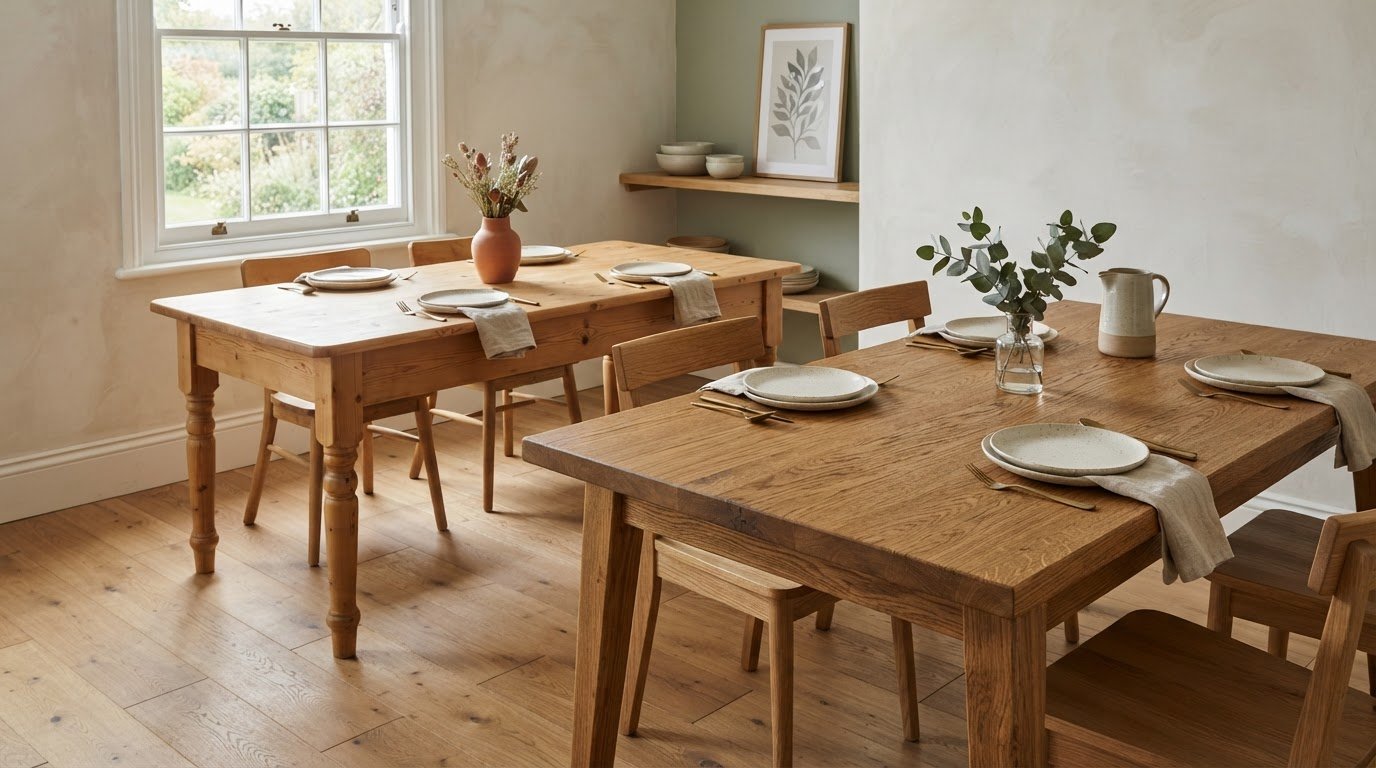
Material affects a piece’s visual character and feel, so consider it in relation to both the room and its intended use. The Table Guy works with bamboo, hardwood, pine and scaffold boards, and also makes metal furniture. Reference images can help communicate the look you have in mind. Explain how the furniture will be used, and include any finish preferences, to keep the discussion focused on your brief.
For ideas, explore made-to-order furniture from The Table Guy and consider which materials and categories might suit your project.
How do you compare furniture makers and decide what suits your project?
Start a comparison with your own brief, rather than a general idea of which option is best. Look at the maker’s demonstrated work and furniture categories, then consider whether the materials and made-to-order approach fit the piece you have in mind.
The right furniture maker is the one whose demonstrated work and capabilities match your project requirements. Use the comparison below to identify what matters to you.
Which questions help you assess project fit?
Match the planned piece to the maker’s actual furniture categories. If you need shelving, for example, look for shelving in the maker’s range rather than assuming a dining-table specialist makes every type of furniture. Then compare the materials and forms shown with your brief. Examples of made-to-order work can help you understand the maker’s approach, but don’t assume every commission uses the same design or involves identical choices.
Keep your questions practical: does the maker’s range include the kind of piece you need? Do the materials suit the look and use you have in mind? Can the made-to-order approach address the room or function you’ve described? A good fit comes from matching the work to your requirements, not simply from a broad claim of being bespoke.
When does bespoke make more sense than ready-made furniture?
Bespoke may be worth considering if an unusual room dimension, a specific function or a preferred material combination makes standard options a poor fit. Ready-made furniture has a clear advantage too: it can be straightforward to choose when an existing design already meets your needs. Weigh that convenience against the value of tailoring a piece to your space.
If your dining area needs extra seating capacity at times, an extending table may be relevant. Explore this guide to choosing an extendable dining table to consider that requirement as part of your comparison.
What should you plan before commissioning a furniture maker?
A little preparation can make a bespoke project feel more straightforward. You don’t need a finished drawing or specialist design knowledge; you need a clear picture of the room, what the furniture must do and which details matter most. Use this checklist to turn a furniture need into a practical brief.
Intended use: Note how the piece will fit into everyday routines, such as dining, hosting, displaying objects or storing household items.
Available space: Measure the usable area, including the width, depth and height the furniture can occupy. Record nearby doors, walkways and other constraints that could affect placement.
Material preferences: Describe the colours, textures and materials you’re drawn to, while keeping the room and intended use in mind.
Storage needs: List what the furniture should hold and whether open shelving, enclosed storage or a combination would be useful.
Extension requirements: If a table needs to accommodate additional guests at times, include this in the brief from the outset.
How can you measure the space and clarify everyday use?
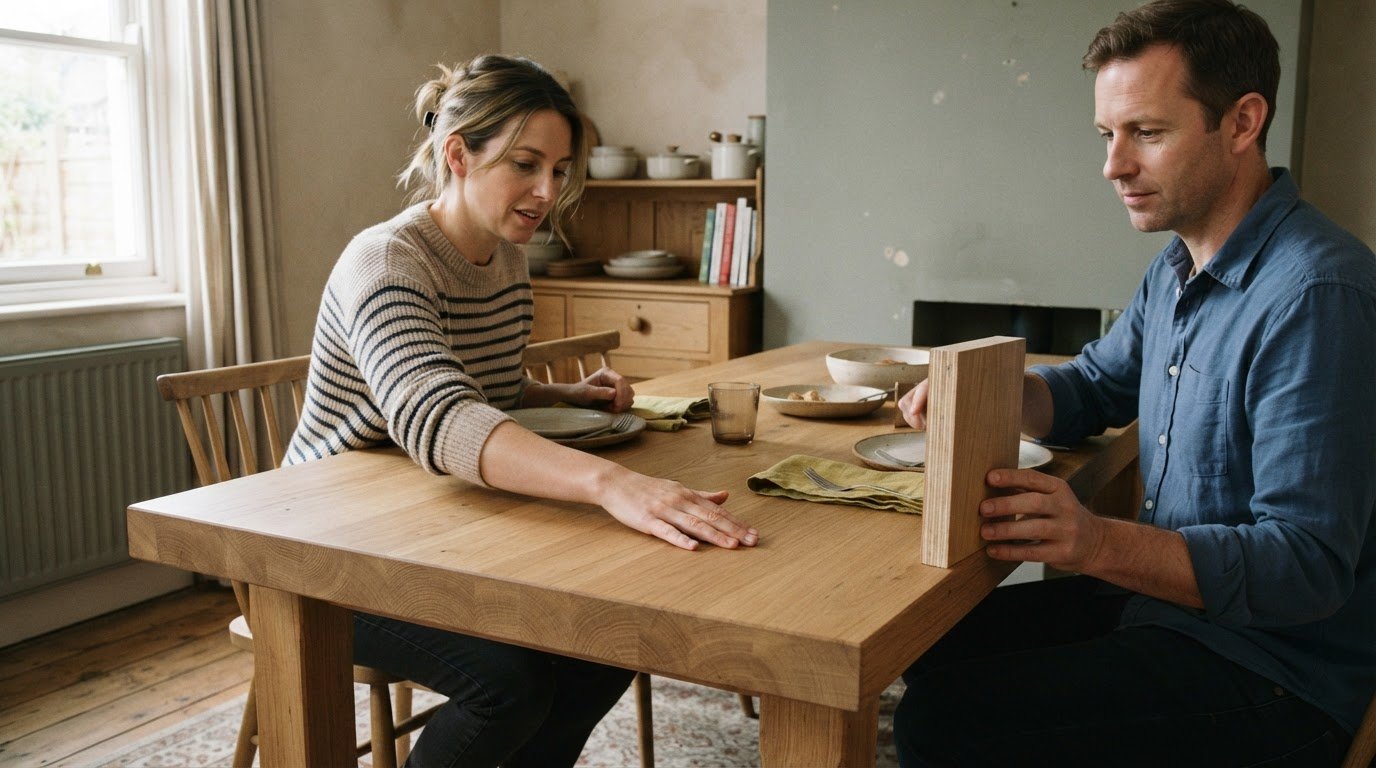
Measure the area where the piece will sit, then note the routes people use around it. A table may fit within the available footprint but still make a room awkward if it blocks a walkway or restricts access to a doorway. Consider how the furniture will get into the room as well as where it will sit. Then describe a typical day: how the table is used, what the shelving needs to display or which household items a storage piece should hold.
For a dining table, think about how the space needs to work when guests visit, as well as during everyday meals. If extra seating capacity is important, this custom farmhouse dining table guide can help you think through the design considerations.
How do you turn inspiration into a practical design brief?
Gather reference images that show what appeals to you, then describe the qualities behind them. You might like a particular colour, the look of a material, a clean outline or a more substantial appearance. This is more useful than relying on a style label alone, since the same term can mean different things to different people. Note preferred materials, storage details and any extension needs alongside your visual references.
Separate must-haves from preferences that can be refined as the project develops. Fitting a particular space might be essential, while the final material choice could remain open to discussion. This distinction helps a furniture maker understand your priorities without making the brief rigid.
Once you’ve gathered your measurements and ideas, explore The Table Guy’s bespoke furniture to see how made-to-order dining, living and storage pieces could suit your project.
Why choose The Table Guy for made-to-order furniture?
Once you know what your room needs and what matters in the brief, look for a furniture maker whose work fits the project. The Table Guy is a family-run UK furniture business established in 2014, making wooden and metal furniture to order in its UK workshop. The made-to-order approach starts with the furniture and its requirements, rather than asking you to adapt your plans to a standard item.
The range covers dining, living and storage, giving you different types of furniture to consider. A table might be the centrepiece of a dining area, while shelving or a TV unit could help a living space work more practically. Begin with your project: identify the kind of piece you need, how it will be used and which materials suit the room.
What kinds of bespoke furniture does The Table Guy make?
The Table Guy’s furniture categories include:
Dining tables, including farmhouse tables and tables made with bamboo, hardwood, pine or scaffold boards
Coffee tables for living spaces
Metal tables
Sideboards, consoles and TV units
Shelving
Table extensions for projects where extra table capacity is part of the brief
This range helps connect a practical need to a relevant furniture category. A dining project may call for a table and an extension, while a living-room brief might focus on a coffee table, shelving or storage. Material preferences can also guide your choice: bamboo, hardwood, pine and scaffold boards each have a distinct visual character. Keep the room and the piece’s intended use central as you weigh the options.
What makes a family-run workshop a personal choice?
The Table Guy is a family-run business, and its made-to-order approach centres each project on the furniture and the requirements it needs to meet. Established in 2014, the business offers an alternative to mass-produced flat-pack furniture: the brief guides the piece, which is made to order. This approach can suit you if you’re looking for a table or storage piece that relates closely to your home and how you use it.
Bring your project into focus by choosing the furniture category that best matches your needs. Then explore made-to-order furniture from The Table Guy and find a starting point for your home.
Take the next step towards a piece that feels at home
Before settling on a design, picture the moment you want the furniture to serve: a shared meal, a calmer corner or a place for treasured objects. Keeping that use in mind grounds the decision in how you want your home to feel and function, not just how a piece looks on its own. A furniture maker can help turn that intention into a considered choice.
You don’t need every detail decided before you begin. Keep your notes about the room and your priorities close, and use them to guide what you explore next. A clear starting point makes it easier to recognise furniture that feels right for your home, both in use and in appearance.
Ready to take the first step? Explore made-to-order furniture from The Table Guy and find a direction for your project. Start with the piece your home needs and the way you want to use it.
Frequently Asked Questions
Is bespoke furniture worth choosing over ready-made furniture?
It can be, if a standard piece doesn’t meet an important need. Bespoke work may suit a home where a particular feature matters, such as a table that needs to work around an existing room layout or storage designed for specific belongings. Ready-made furniture can be the simpler choice if an available piece already works for you. Identify your essential requirements before weighing convenience against a tailored result.
Can a furniture maker create a table to fit a specific room?
Yes. A furniture maker can work from the dimensions and requirements for a particular room. Measure the intended footprint and clarify what the measurements refer to, such as the wall, skirting board or another fixed feature. Consider the table’s position in relation to nearby furniture and how the room is used. Clear measurements help shape the design brief and establish the dimensions for the piece.
What materials can be used to make bespoke furniture?
Material options depend on the maker and the piece. The Table Guy works with bamboo, hardwood, pine and scaffold boards, and also makes metal furniture, while other makers focus on different natural materials—for example, studios like steng.com.au create handcrafted marble furniture. To compare choices, consider the appearance and feel you want, as well as how the material will sit alongside existing items. A photograph of your room or furniture can help communicate the colours and textures you have in mind.
How long does made-to-order furniture take to make?
There isn’t one timeframe that applies to every made-to-order piece. Timing can depend on the design, materials and work involved, so avoid planning around an assumed standard duration. If the furniture is needed for a particular occasion or room project, include that date in your planning from the outset. Allow time for the brief and design choices as well as the making itself.
Can a furniture maker make more than dining tables?
Is handmade furniture more sustainable than mass-produced furniture?
Not automatically. How responsibly furniture is made depends on factors such as material sourcing, production choices and how long the piece remains useful. Handmade construction alone doesn’t establish those details. For a more informed comparison, look at the information available about materials and their origins, consider whether the design suits long-term use, and think about whether the piece can continue to serve your needs as your home changes.
Comments