
Getting a Quote for Custom Furniture: What to Prepare and Compare
Updated: Oct 22
A custom furniture quote is only as useful as the brief behind it. Getting a quote for custom furniture can feel daunting when you’re unsure which measurements, materials or design details matter, or worry your idea isn’t fully formed. You don’t need a polished drawing to start: a clear sense of what the piece needs to do is a practical beginning.
It’s natural to focus on the price first, but a figure means little unless you understand what it covers. The design, materials, dimensions and practical details all shape the work involved, so compare the proposed pieces and scope as well as the totals.
This guide explains what to include in your enquiry, from measurements and reference images to finish and function, and how to assess the scope of a quote. You’ll also learn how to compare made-to-order furniture with standard options. Whether you’re considering a dining table, coffee table, sideboard or shelving, a thoughtful brief helps turn an idea into a project that can be discussed clearly.
Table of Contents
Getting a quote for custom furniture: what it should help you understand
Getting a quote for custom furniture should give you more than a figure to consider. It should describe the piece being proposed and show how your requirements shape its design and scope. A dining table for everyday meals, for example, may need different dimensions or features from one intended for occasional use. For a storage unit, its purpose, size and layout all influence what the maker can propose.
A custom furniture quote is a project-specific outline of the proposed piece, its key specifications and the work those choices involve. The clearer your brief, the easier it is for you and the maker to discuss the same project and identify any decisions still to be made.
What makes a custom furniture quote different from a standard price
A standard price describes a particular ready-made item. A made-to-order quote responds to choices such as dimensions, material, finish and practical details, so it should relate to the project you described rather than an assumed, generic version of the furniture. Neither approach is automatically better. The right option depends on your requirements.
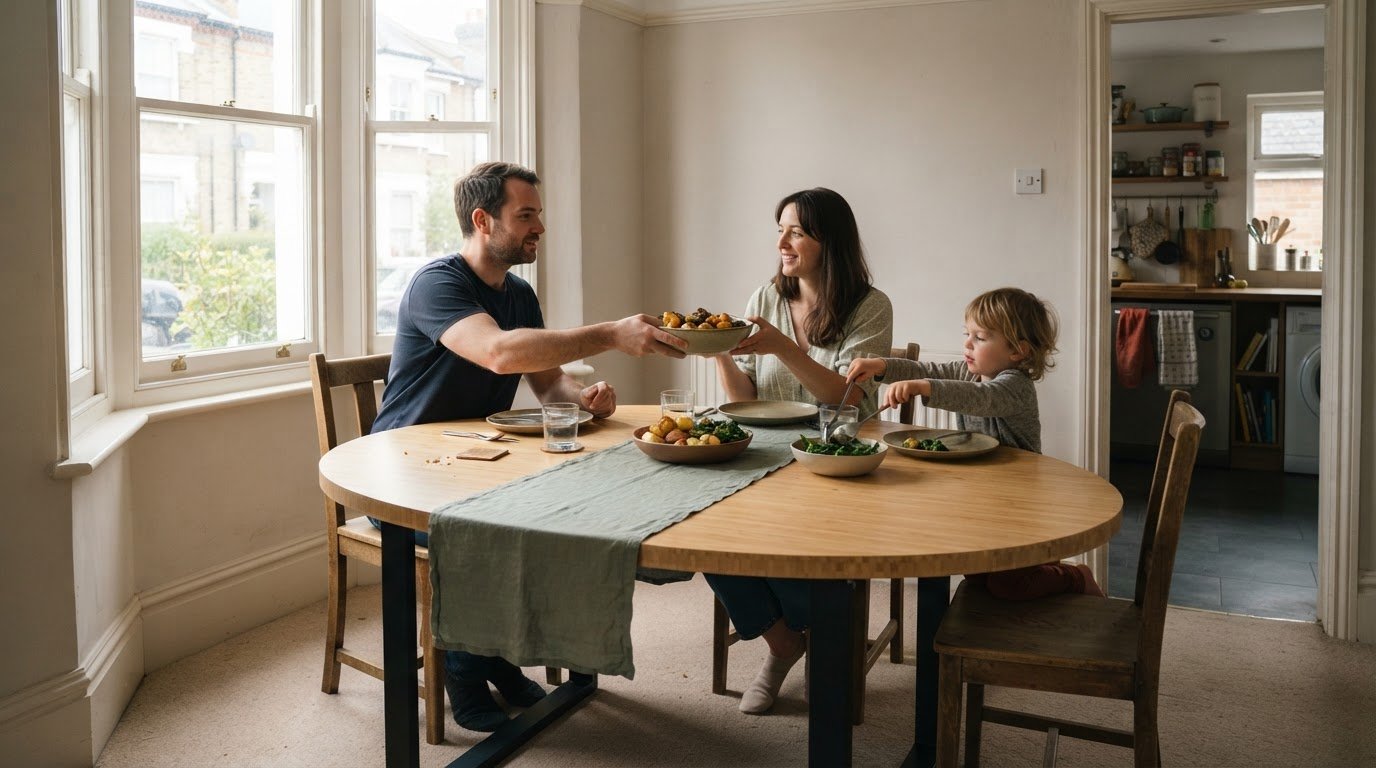
Imagine enquiring about a dining table. The number of people it needs to accommodate, the available room and any requested table extension help define the piece. For a storage unit, the intended use and layout matter instead. The proposed work may differ even if both pieces are for the same home. A quote is easier to assess when its assumptions are visible, so note which details are settled and which are still open to discussion.
When a bespoke furniture quote is useful
A made-to-measure brief can be useful when a particular room, routine or household need makes a standard size or configuration less suitable. You might be planning a farmhouse table to fit a defined dining area, shelving for a specific wall, or a table extension for occasions when you need more space. These details turn a broad idea into a project a maker can understand.
Start with the problem the furniture needs to solve. Is it about fitting a certain space, providing a useful surface or adding storage? Then consider which visual choices matter most. You don’t need every detail settled before starting a conversation, but identifying your main needs helps the maker shape a relevant proposal instead of guessing at your intentions.
The phrase Studio furniture offers useful context for individually designed, crafted pieces. A quote is the practical counterpart to that creative process: it connects the idea to a described piece and scope of work. Use it to understand what is proposed, then decide whether the approach suits your room, use and priorities.
What to include when getting a quote for custom furniture
A useful enquiry gives the maker enough information to picture the piece and understand how you’ll use it. You don’t need a finished drawing or every choice settled. Approximate measurements, a few reference images and a clear description of what matters most are a practical starting point for getting a quote for custom furniture.
Gather the details you already know:
Furniture type and quantity: say whether you have a dining table, shelving, storage unit or another piece in mind, and how many you need.
Intended use: explain what the furniture needs to do, such as seating people for everyday meals, displaying belongings or providing extra storage.
Approximate dimensions: share the available length, width and height. Mark which measurements are essential and which are estimates.
Materials and finish: name a preference, such as bamboo, hardwood, pine or metal, and describe the colour, texture or overall look you like.
Design details: identify the shape, features and practical requirements that matter. If you’re considering a built-in ice bucket for a dining table, mention it specifically.
Visual references: include room measurements, inspiration images or a simple sketch if you have them. Note what you like about each reference.
Dimensions, placement and everyday use
Measure the space where the piece will sit, not just the area you hope it will occupy. Note nearby walls, furniture and doorways, along with any access constraints that could affect moving the finished piece into position. Then describe how many people, or how many items, it needs to serve. Mark fixed limits clearly and label uncertain measurements as estimates.
For a table, you might know the maximum length that fits your dining area but still be deciding on the preferred size. For shelving, the wall width may be fixed while the arrangement remains open for discussion. This distinction shows the maker where the brief has firm boundaries and where there’s room to explore. If walls or floors appear uneven, measure in more than one place and note anything that affects the usable space.
Materials, finish and details worth describing
Be as specific as you can, but don’t worry if you’re unsure of technical terms. Say whether you’re drawn to the character of hardwood, the appearance of bamboo, the familiar look of pine or the presence of metal. Describe the finish in everyday language: light or dark, smooth or textured, understated or a stronger visual feature.
Focus on qualities you can describe rather than trying to name a technical finish. A reference photo, rough sketch or note such as “include a built-in ice bucket” can communicate an idea more clearly than a detailed specification. If you share an image, explain which part appeals to you, such as the shape, material or overall feel. That helps distinguish the element you want to borrow from details that are only part of the inspiration.
Once you have the basics, share your furniture idea with The Table Guy as a starting point for discussing a made-to-order table or storage piece.
How to compare custom furniture quotes on a like-for-like basis
A lower figure doesn’t necessarily describe the same piece as a higher one. If dimensions, materials or features differ, the quotes cover different projects, so the totals alone can’t tell you which offers better value. Compare the described piece and scope, not just the price.
Put the details side by side. Use the same headings for each quote and record what’s stated rather than filling gaps with assumptions.
Dimensions and quantity: Quote A: [measurements and number of pieces]. Quote B: [measurements and number of pieces].
Project scope: Quote A: [work and any delivery or installation details stated]. Quote B: [work and any delivery or installation details stated].
Mark each detail as included, different or not specified. “Not specified” doesn’t mean a feature is included; it means the quote leaves that point open. This makes it easier to see where you’re comparing like with like and which points need clarifying before you can assess the proposals fairly.
Check that each quote describes the same piece
Compare the furniture type, dimensions, quantity and intended placement line by line. Then check that defining features, such as a table extension or storage within a unit, appear in each specification. Note material and finish differences too: two dining tables made from different materials or with different surface treatments aren’t directly equivalent, even if their descriptions sound similar.
Small differences can change the work involved. A quote for a fixed-size table isn’t the same scope as one that includes an extension. Likewise, a storage unit with a described layout shouldn’t be compared as though it were an unspecified cabinet. Keep your original brief beside each quote and flag any detail that doesn’t match it.
Look for clarity around scope and next steps
Read each quote for what it expressly describes, including the proposed specifications and any stated project scope. Note whether delivery or installation details are included, excluded or simply unmentioned. Don’t treat an unstated detail as part of the proposal. Record it separately so you can see what remains unresolved before making a decision.
Once the differences are visible, decide which matter to your needs and which are acceptable alternatives. A material change may affect the look you want, while a variation in a non-essential detail may be flexible. This gives you a clearer basis for discussing the proposals and choosing the piece that best fits your priorities, rather than reacting to a headline figure. For broader commercial spaces or hospitality venues requiring turnkey procurement, specialists like Infinity Hotel Supplies follow a similarly rigorous specification process when preparing comprehensive furniture quotes.
Set your priorities before accepting a custom furniture quote
A quote is easier to judge when you know what the furniture must achieve and which choices are open to discussion. Before accepting a proposal, separate everyday needs from visual preferences. This isn’t about lowering your expectations. It’s about making deliberate choices so the finished piece works for your home and reflects what matters to you.
Use this sequence to refine your brief:
Rank your needs. Write down the practical job the furniture must do, then order its essential requirements by importance.
Identify flexible choices. Mark details you’d consider adapting, provided the alternatives still suit the piece and your priorities.
Revisit the brief. Update your notes to show what’s fixed, what’s flexible and any decisions you’ve made since getting a quote for custom furniture.
Decide what the furniture must do
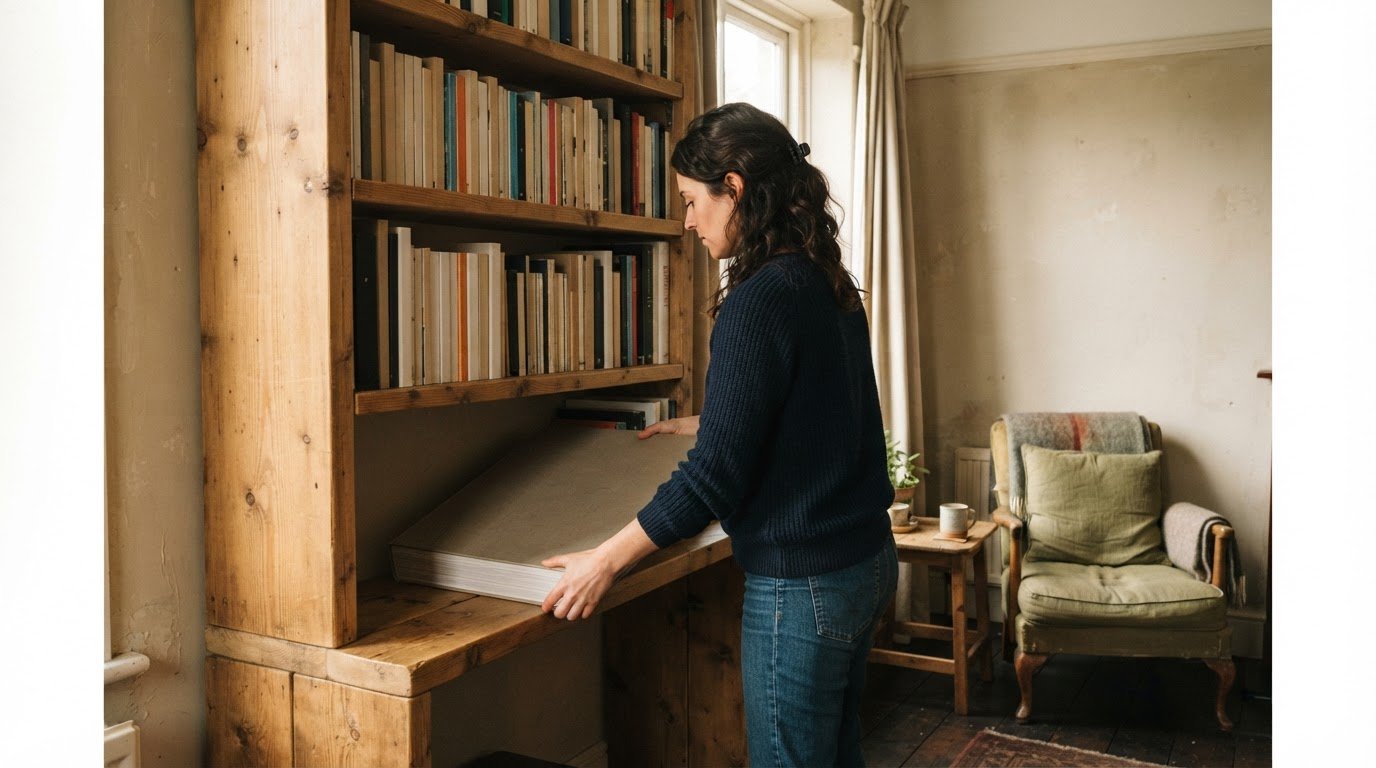
Start with the problem you want to solve. Is a dining table needed for everyday meals, or does a sideboard need to organise household items? For shelving, consider what it needs to hold and where it will sit. Rank capacity, dimensions and practical features by importance. This helps distinguish a must-have, such as fitting a particular space, from a preference that contributes to the look.
Be specific about trade-offs you wouldn’t accept. If the table needs to accommodate a certain number of people, treat that as a functional priority; a particular shape or finish may be a visual preference. For a sideboard, useful storage may come before a specific appearance. Your order will depend on your household, so make the list personal rather than following a generic rule.
Choose where you can be flexible
Mark each choice as non-negotiable or open to change. You might be set on the piece’s dimensions but willing to consider a different finish, or prefer one material while remaining open to another that suits the brief. Flexibility should help you find a good fit, not mean accepting a material or detail that doesn’t meet your needs.
Keep a short decision record alongside the quote. Note each requirement, its priority and any acceptable alternatives. For example, record “storage is essential” separately from “finish is still undecided”. If you revise a preference after discussing the proposal, update the note. That way, you can return to the same clear set of priorities instead of trying to remember which details were agreed and which were only possibilities.
Finally, check the proposal against your ranked list. Does it address the everyday need? Are the essential dimensions and features reflected in the described piece? Do any flexible choices still feel right for your home? If something important has changed, revisit your brief before accepting so your decision is based on the version you actually want.
With your priorities clear, you can make more considered choices about a piece that feels useful as well as suited to your home. Explore made-to-order furniture with The Table Guy.
Getting a custom furniture quote from The Table Guy
The Table Guy is a family-run furniture maker established in 2014, creating custom wooden and metal furniture to order in its UK workshop. If you’re getting a quote for custom furniture, the details you’ve gathered help turn an initial idea into a useful conversation about what you need, how the piece will be used and which design choices matter to you.
You don’t need to arrive with every detail settled. A clear purpose, approximate dimensions and a few notes about materials or features give the discussion a practical starting point. Your brief can then be considered alongside the kind of made-to-order furniture you have in mind.
Match your idea to a made-to-order furniture category
Start by describing the type of piece you’re considering. The Table Guy makes farmhouse tables, Prosecco dining tables, bamboo and hardwood tables, coffee tables, sideboards, consoles, TV units and shelving, as well as table extensions. These categories can help you put a name to your idea without needing a technical drawing or finished design.
Then explain what you want the piece to do. A dining table might need to suit everyday meals, while shelving could be planned around a particular use in your home. A Prosecco dining table can include a built-in ice bucket, so mention that feature if it’s part of your idea. Note which details are essential and which are open for discussion.
Send a brief that makes the next step easier
A helpful enquiry doesn’t need to be long. Bring the key points together so the maker can understand both the practical need and the look you’re aiming for. If a measurement is only an estimate, label it as such. If you’re still choosing a finish or material, say what you’re drawn to and where you’re flexible.
Purpose: what the furniture needs to do in your home.
Approximate dimensions: the space available and any fixed size limits.
Material and finish: preferences for wood or metal, colour and overall appearance.
Design priorities: key features, shape, storage or other details that matter to you.
References: useful room measurements, photographs or a simple sketch, if available.
These details help set the conversation in motion, but your brief can develop as the project takes shape. Start with what you know and be open about what you’re still deciding. That makes it easier to focus on a piece that fits your space, routine and preferences.
Have an idea in mind, even if it’s only a starting point? Share what you’d like to create with The Table Guy.
Turn your furniture idea into a real project
You don’t need every choice settled before taking the next step. An initial enquiry can give shape to an idea and help you decide what will work in your home. Think about the piece you’d be glad to use every day, then share the details you know and the choices you’re still weighing up.
Getting a quote for custom furniture is not just about arriving at a figure. It’s a chance to move from imagining a piece to discussing how it could suit your space, needs and personal style. Start with a clear intention, stay open to considered options and let the conversation develop from there.
When you’re ready, start your custom furniture enquiry with The Table Guy. Share your idea, the details you know and what you’d like the piece to do.
Frequently Asked Questions
Is bespoke furniture more expensive than standard furniture?
Not necessarily. The cost depends on the particular piece and the choices involved. A made-to-order design may involve work to meet specific dimensions or include particular features, while a standard item follows a set specification. Compare what each option is made from and what it includes, then consider how well it suits your needs. A ready-made piece may suit you perfectly; custom work is useful when its individual choices matter.
How long does bespoke furniture take to make?
There isn’t one timeframe that applies to every bespoke piece. The design, materials and amount of work involved can all affect how long it takes, and a made-to-order item isn’t ready to take home from a shelf. If you’re working towards a particular date, include that timing constraint in your enquiry and discuss the project schedule before making plans around a completion date.
Can custom furniture be designed to fit an awkward space?
Yes, a made-to-order design can be shaped around the dimensions and layout you describe. For an alcove, narrow corner or room with an obstruction, record the usable width, height and depth, along with any sloping or uneven surfaces. A simple sketch can show how the space fits together. Include the clearance needed for doors or walkways so the proposed piece can be considered in context, not just as a set of measurements.
Can I request a quote for a one-off furniture design?
Yes. The Table Guy makes furniture to order, so you can begin an enquiry with an individual idea rather than choosing a standard design. Explain what you want the piece to do and which details make it personal to your home. A reference image or rough drawing can help convey the look, even if it isn’t a finished plan. Identify what’s essential and what you’re still open to discussing.
Can I get a quote for a custom table extension?
Yes, table extensions are among the made-to-order furniture options from The Table Guy. If the extension is for a particular table, include its dimensions and a description or photograph to explain what you have. Note how you expect to use the extra space and any appearance preferences, such as how closely the extension should match the table. These details give your enquiry a more useful starting point.
What is the difference between made-to-order and flat-pack furniture?
Made-to-order furniture is produced in response to an order, with the piece shaped by the project’s requirements. Flat-pack furniture is generally supplied in parts for assembly, often following a standard design and set dimensions. They serve different needs: one centres on an individual specification, while the other offers a ready-defined format. The Table Guy specialises in custom wooden and metal furniture made to order, rather than mass-produced flat-pack pieces.
Can I request a quote for a custom sideboard or shelving unit?
Yes, The Table Guy makes sideboards and shelving to order. For a sideboard, describe what you plan to store and where it will sit; for shelving, note what it needs to hold and the wall or area available. If the piece is intended to sit beneath a television, include the equipment it needs to accommodate. If you are planning a setup for sound equipment, reviewing specialised options from HiFi Rack can also provide helpful ideas for weight capacity, cable routing and airflow. These practical details give your enquiry shape before the design choices are settled.
Comments