
Is Custom Furniture More Expensive? Consider Its Long-Term Value
Custom furniture can cost more upfront, but that does not automatically make it more expensive over its lifetime. The overall cost depends on the piece’s materials, size and design, as well as how well it fits your space and how you use it. Compare the initial price with the practical value you expect to get from it.
It is natural to focus on price first. Bespoke furniture involves choosing materials and making a piece to its design, while a table that suits your room and routine may remain useful for years.
This guide explains how to compare upfront cost with fit, durability and personalisation. It also offers ways to set priorities for your budget, helping you decide whether made-to-order furniture suits your home.
Table of Contents
Is Handmade Furniture Worth the Investment for Modern Homes?
Handmade furniture often costs more upfront, but price alone doesn’t show its full value. Compare the initial spend with expected use, fit and the work involved in making the piece.
Handmade and Mass-Produced Costs
Furniture may be made as individual pieces or produced in batches. That difference can affect the upfront price, but a fair comparison also considers how well each piece suits your household and how it will be used. In professional and home-office environments, for instance, commercial specialists like Smart Buy Office Furniture demonstrate how modular workstations and batch-produced furniture can balance dependable durability with cost-effective planning.
These examples show why the answer to whether custom furniture is more expensive depends on more than the purchase price. They are comparisons, not universal prices or lifespans: materials, construction and everyday use all affect the outcome.
Bespoke Design and Customisation Costs
Bespoke design means shaping a piece around particular dimensions, materials, style and practical requirements. The price can include design work, consultation, prototyping, workshop time and materials selected for the brief. Each choice can affect the work involved, so a simpler design and a more complex, highly tailored piece won’t have identical cost drivers.
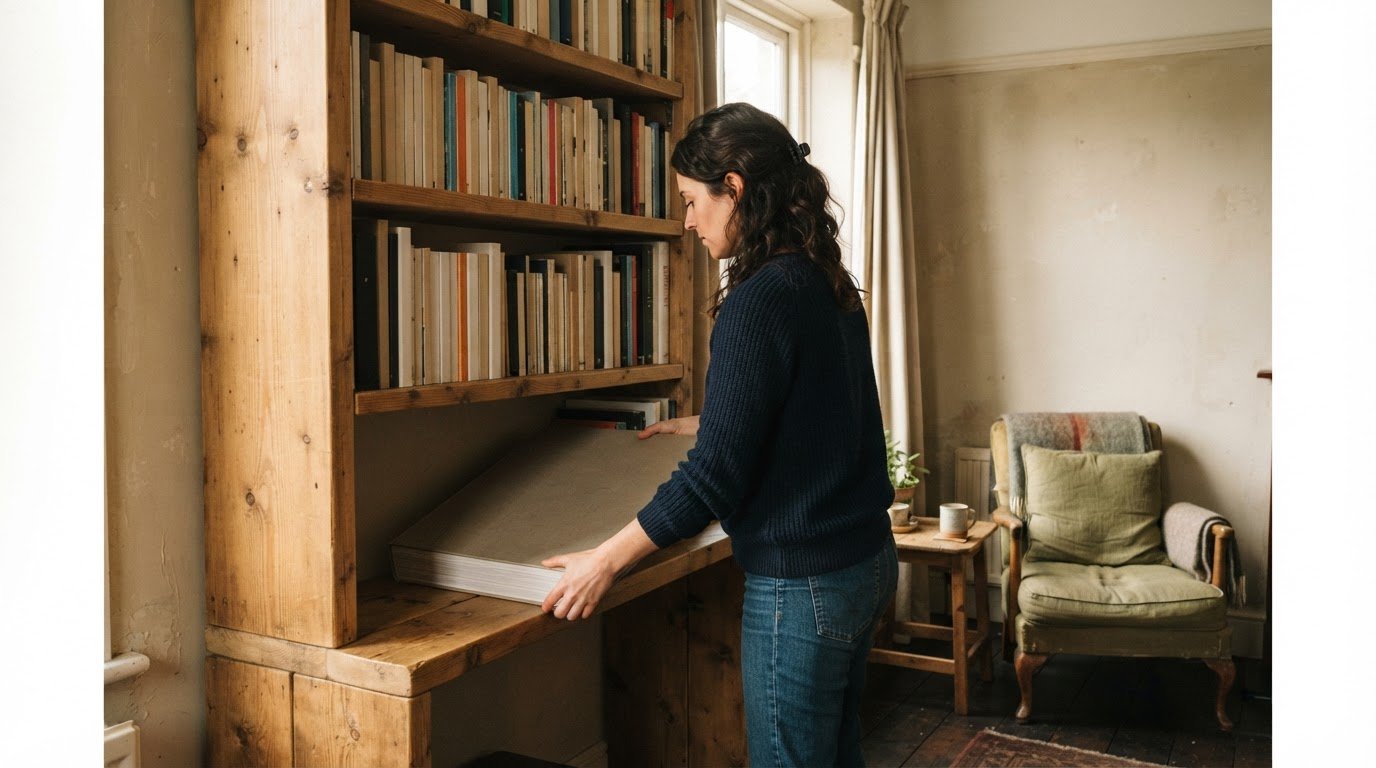
A made-to-measure table can suit an awkward alcove or narrow dining area. Choosing dimensions to fit the room can make the space easier to use, but customisation does not automatically save money. Its value is in making the furniture work for your home.
Production Time and Labour
Handmade furniture takes skilled workshop labour, including preparing materials, shaping components and assembling the piece. Custom furniture production can take 8 to 12 weeks or more. This longer timeframe reflects individual making and planning, rather than the faster batch production used for mass-produced items.
If you need furniture for a renovation or event, allow time for its design and making. Planning ahead gives you room to choose a piece that suits the space rather than choosing solely because it is available sooner.
Replacement and disposal also belong in the comparison. A shorter-lived piece may need replacing sooner, while solid wood furniture can be restored, refinished and repaired. Engineered materials may need replacement as they deteriorate. The right choice depends on how you’ll use the furniture and whether its fit and construction suit years of everyday life.
Long-term value of handmade furniture
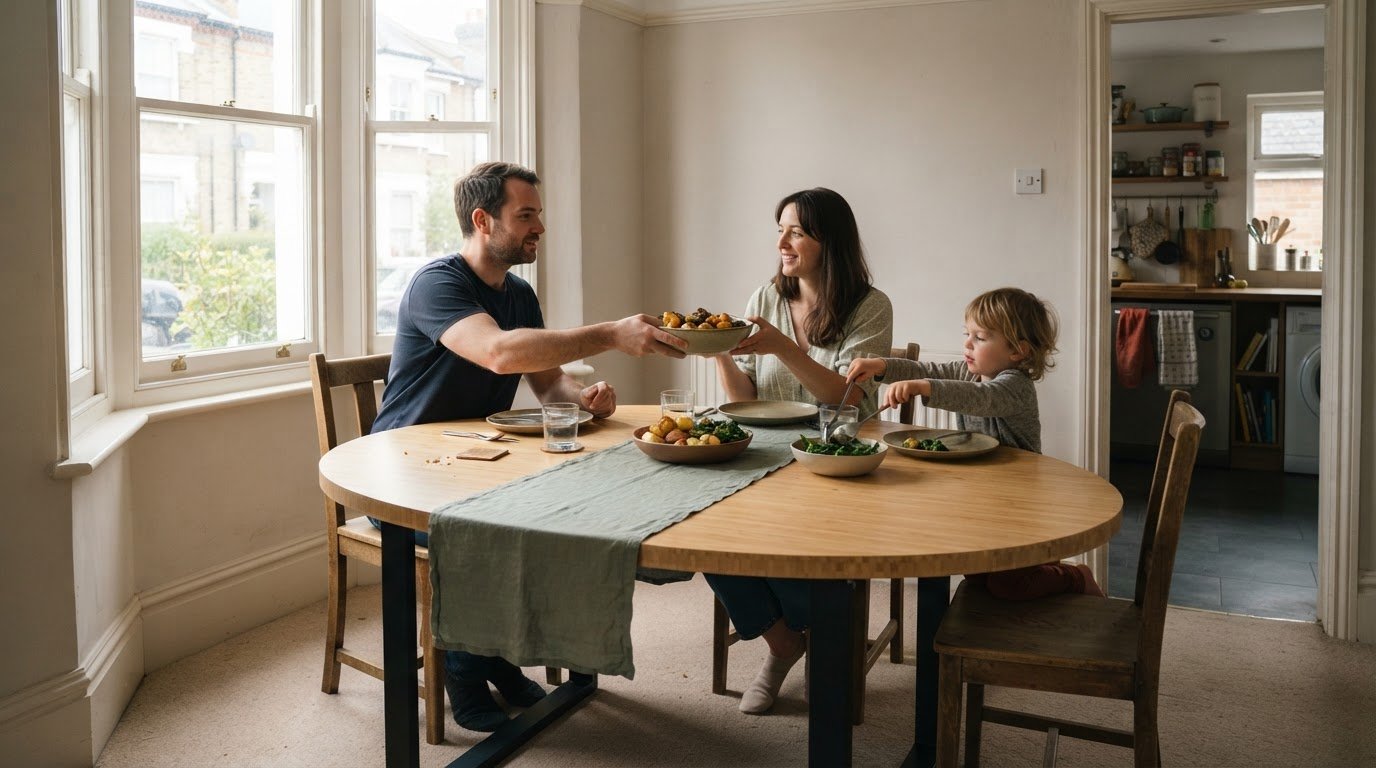
Long-term value depends on how well a piece continues to serve its purpose, not just its initial price. A well-made oak dining table, for example, may remain useful as household needs change if its construction, finish and dimensions suit everyday life. Furniture that keeps working in the room is less likely to become an awkward fit.
Durability is only one part of that calculation. Solid wood can be repaired, refinished or restored, giving a damaged surface or worn finish another chance at useful life. The right approach depends on the material and the type of wear. A table with a scratched top may need a different treatment from one with a loose joint, so longevity rests on both construction and care.
Resale value can add another layer, but it isn’t the same as guaranteed savings. One example estimates that well-made furniture may retain 70-85% of its original value over 15-20 years. Treat this as an illustration, not a promise for every piece. Condition, design, materials and buyer demand all affect what someone may pay later.
Classic, versatile shapes can remain useful as tastes and room layouts change. A dining table suited to daily meals and shared occasions may be easier to keep than one chosen only for a passing trend. If resale matters, condition and a design that suits different homes can matter as much as craftsmanship.
Consider the full ownership picture: how often the furniture will be used, whether it can be maintained, and how readily it could adapt to a new home. If a carefully fitted table is central to your plans, explore made-to-order furniture options as one way to bring durability and personal fit together.
One-of-a-kind design and personalisation
Bespoke furniture is designed around a particular space, style and set of practical needs. Its value is in making those choices work together, rather than choosing from standard options.
Creating a One-of-a-Kind Design
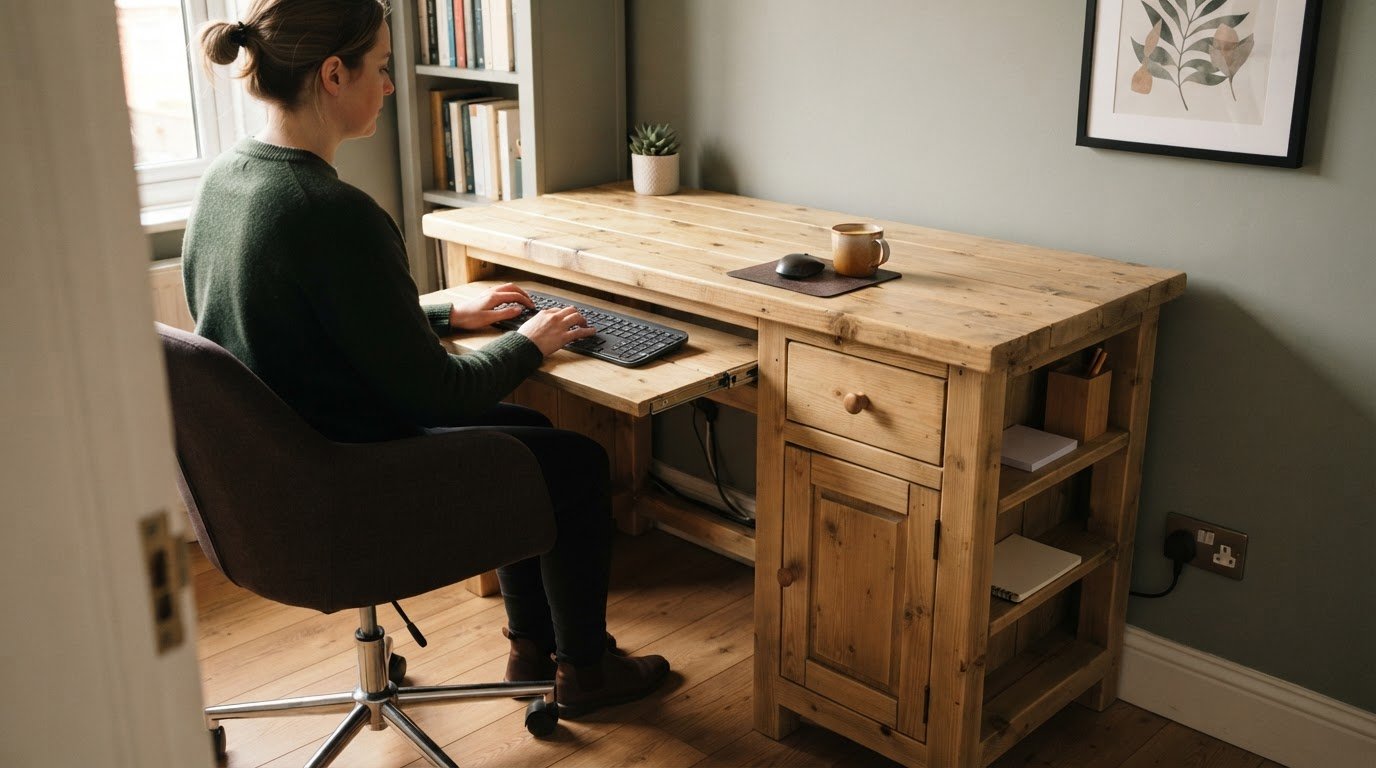
A one-of-a-kind piece is shaped to a specific brief, from dimensions and materials to function and finish. For a dining table, that could mean selecting a size that suits the room, a surface for your household’s everyday use and a look that complements existing furniture.
Each decision can affect the design and material choices. Start with a clear brief: identify the room, intended use and essential features, then separate must-haves from decorative preferences. This keeps personalisation purposeful and helps avoid paying for details that do not improve the piece.
Design and Workshop Time
Custom design involves translating a brief into a piece that can be made, which may include consultation, prototyping and workshop time. Those stages matter because dimensions, materials and construction need to work together. A more involved design can call for more development before making begins.
In a period home, such as a Victorian terrace, a made-to-measure piece can suit an alcove, chimney breast or distinctive room proportions. It can complement existing features without copying them exactly. The right design depends on the space and its intended use, not simply the property’s age.
Timeless choices can help a piece stay functional and appealing as rooms change. Classic shapes, versatile finishes and practical dimensions are less tied to passing trends than highly specific decorative details. A dining table designed for everyday meals and occasional gatherings, for example, may suit changing needs better than one planned for a single visual effect.
Personalisation works best when each choice has a purpose. Decide which dimensions solve a real space constraint, which material suits the intended use and which details matter most. This makes clear how the specification affects the work and why a bespoke piece may cost more than a standard design.
Budgeting for custom furniture
There is no single UK price for custom furniture. Cost depends on dimensions, materials, design detail and the work involved in making the piece. Build your budget around its essential function and the features that matter most.
What a Bespoke Quote Includes
A bespoke quote sets out the work and costs involved in making the agreed piece. It should describe the design, dimensions, materials, finish and any included services, so you can see what the quoted amount covers.
Delivery and fitting may affect the final spend, so check whether the quote includes them or lists them separately. This helps you compare the same scope of work and avoid surprises. For a dining table, specify its size, material and finish so the quote reflects the piece you want.
Getting an Accurate Furniture Quote
An accurate quote starts with a specific brief. Share the intended use, room dimensions, preferred materials and finish, and any constraints such as an alcove or narrow access. These details define the work and help avoid leaving important choices open.
Separate must-haves from preferences. Explain whether a table must fit a particular space or whether its finish can be flexible. Include delivery and fitting requirements in the brief, too. A clearly defined scope makes the quote more useful for planning your budget.
Reducing Costs Without Sacrificing Quality
To manage costs, simplify features that do not improve the piece’s purpose. A straightforward shape, practical finish and fewer decorative details can reduce complexity. Keep the materials and construction that matter for the intended use.
Prioritise the dimensions and functions you genuinely need, then treat optional details as adjustments. This gives the maker room to shape the design around your budget without compromising its main job. Share your priorities in a bespoke furniture quote request to start defining a suitable scope.
The Table Guy
The Table Guy makes bespoke furniture, including Prosecco Dining Tables, Farmhouse Tables, Bamboo & Hardwood Tables, and Scaffold Board & Pine Tables. These handmade options give you a starting point for considering your room, how you will use the table and the style you want.
Turn to The Table Guy when a standard design doesn’t suit your space or priorities, or when you want to explore how a particular material and finish could work in your home. A clear idea of your needs can help shape the conversation around a practical, considered choice.
Contact The Table Guy to discuss your furniture requirements.
Make your next furniture choice with purpose
Start by deciding what you want the piece to do in your home. Consider how you will use it, which materials and finishes suit your space, and which details matter most. These priorities make it easier to judge whether a bespoke piece is right for you.
The Table Guy makes Prosecco Dining Tables, Farmhouse Tables and Bamboo & Hardwood Tables. Comparing their styles and materials can help you define your preferences. Choose according to what fits your home and the way you live.
If you’re still asking whether custom furniture is more expensive, focus on the value you want from a made-to-order piece, not just its initial cost. Discuss your custom furniture with The Table Guy and take the next step towards a piece that feels considered and personal.
Frequently Asked Questions
What Factors Affect the Cost of Custom Furniture?
The main cost factors are dimensions, materials, construction, finish and design complexity. A broad table with a distinctive edge detail, for example, involves different choices from a compact, straightforward design. Intended use matters, too: a table for daily family meals may have different requirements from occasional-use furniture. A clear brief shows which decisions shape the specification.
Why Is Handmade Furniture More Expensive Than Factory-Made Furniture?
Handmade furniture can cost more because each piece is made and finished to its design, rather than produced as one of many identical items. That individual work takes time. A table designed for an unusual room layout, for example, needs dimensions suited to the space. This tailored approach is useful when standard sizes do not fit your home.
How do custom furniture prices compare with ready-made furniture in the UK?
Whether custom furniture costs more than ready-made furniture depends on the design and what you are comparing. A standard piece may have a lower upfront price, while a bespoke item is made to its own dimensions and specification. Compare whether both options suit your space, intended use and preferred finish. A lower price may not provide the same fit or function.
What factors affect the cost of bespoke furniture?
Beyond the basic shape, the level of detail affects the work involved. Consider whether the piece needs unusual proportions, several material choices, integrated storage or a specific finish. A simple rectangular table and a design with shaped edges and coordinated components have different requirements. Room access can also affect delivery arrangements, particularly for large furniture. Include these details in your brief so the scope is clear.
How do materials and finishes affect custom furniture costs?
Materials affect how a piece is made, while the finish shapes its appearance and the work needed to achieve it. Natural-looking timber, for example, creates a different effect from a painted finish. Choose materials and finishes that suit both the room and the furniture’s intended use. Ask for options to be explained in practical terms.
Does custom furniture cost more because of design, labour and installation?
Design and making contribute to the cost because a bespoke piece is shaped to its brief. Installation is a separate consideration and is not automatically part of a furniture quote. A freestanding table, for example, has different fitting needs from furniture designed for a specific space. Check what work the quote includes and whether delivery or fitting is listed separately.
Comments